Snow Storm: Understanding The Phenomenon And How To Prepare - Nor'easters are powerful storms that occur along the eastern coast of North America. These storms are known for their strong winds and heavy precipitation, which can include snow, sleet, or rain. Communities in snow-prone areas often develop strategies to mitigate these effects, such as improving road maintenance and emergency response plans.
Nor'easters are powerful storms that occur along the eastern coast of North America. These storms are known for their strong winds and heavy precipitation, which can include snow, sleet, or rain.
After a snow storm, recovery efforts focus on clearing roads, restoring power, and assessing damage. Communities often come together to support those affected by the storm.
Not all snow storms are the same. They vary in intensity, duration, and geographical impact. Below are some of the most common types of snow storms:

While snow storms are most common in regions with cold climates, they can occur in unexpected areas due to shifting weather patterns. Understanding the mechanics of snow storms is crucial for predicting and preparing for their impacts.
Snow storms are caused by a combination of atmospheric conditions that lead to the formation of snow clouds. The primary factors include:
Communities must adapt to changing weather patterns by investing in infrastructure and emergency response systems that can handle extreme weather events.
Preparation is key to staying safe during snow storms. Below are some essential steps to take before a storm hits:
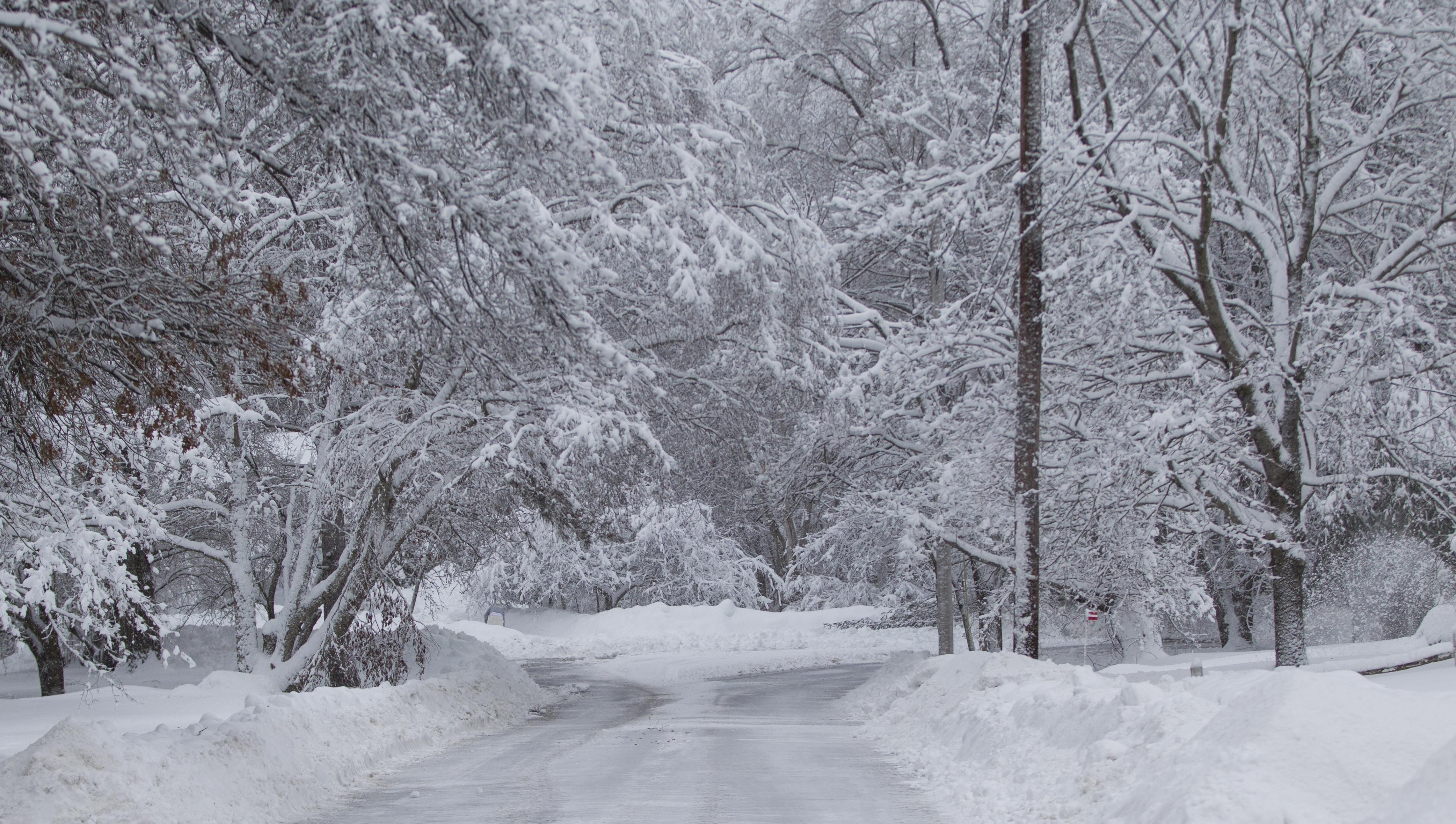
A snow storm is a weather event characterized by heavy snowfall accompanied by strong winds and low temperatures. These storms can last from a few hours to several days, depending on the atmospheric conditions. Snow storms are often referred to as blizzards when they meet specific criteria, such as sustained winds of 35 mph or more and visibility of less than a quarter mile.
Scientists continue to study the relationship between climate change and snow storms, providing valuable insights for future predictions and preparedness.
Blizzards are the most severe type of snow storm, characterized by high winds and heavy snowfall. Visibility is severely reduced, making travel dangerous.
During a snow storm, it's important to prioritize safety. Here are some tips to follow:
Snow storms are powerful weather events that require careful preparation and response. By understanding their causes, effects, and potential impacts, communities can better prepare for these storms and minimize their risks.